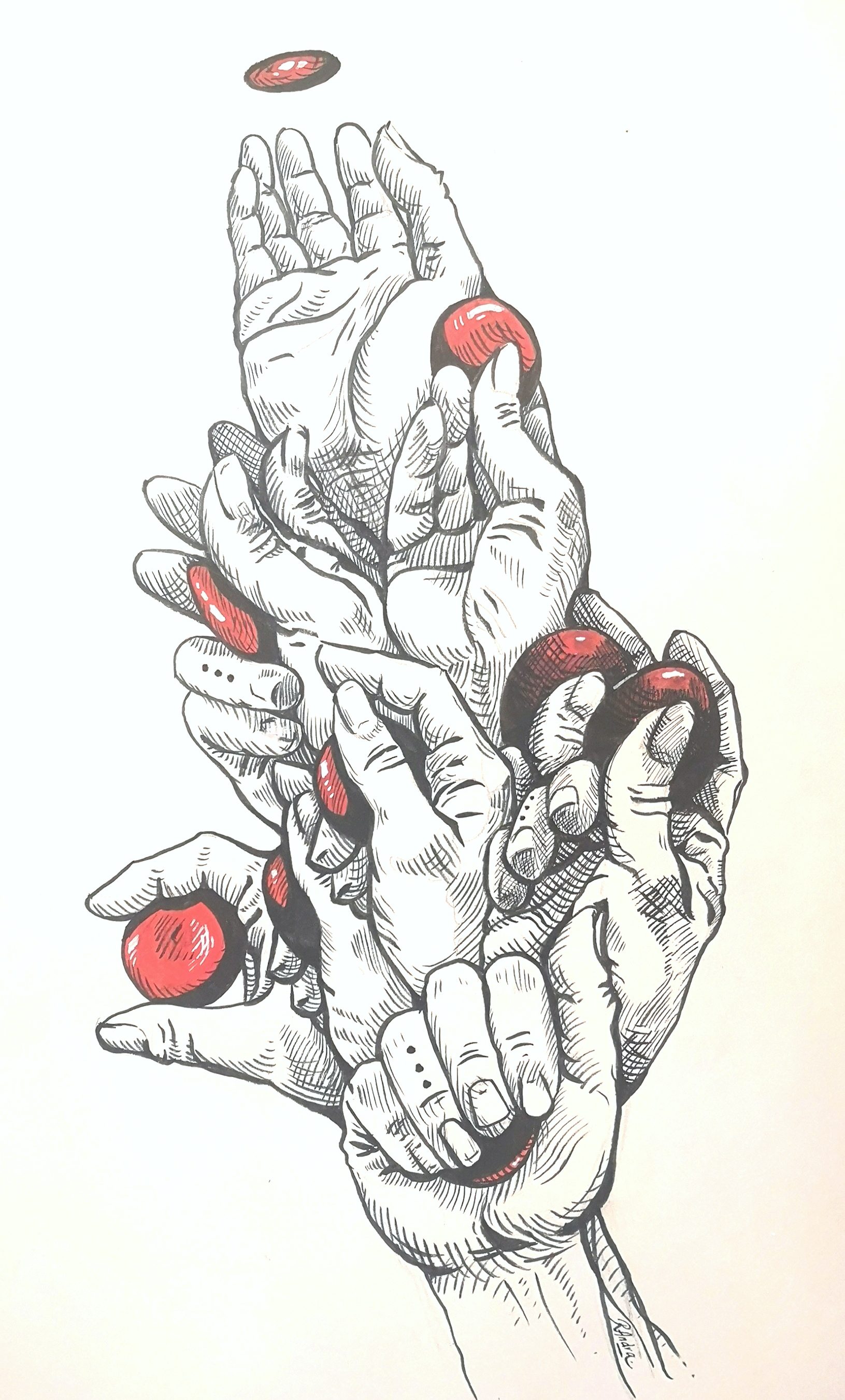
Our bodies have a wealth of information to share with us. If we’re able to listen to them.
Email me to connect: rainbowcirque@gmail.com
Dance movement therapy (DMT) is based on the idea that thoughts, feelings, and emotions are present in the body as physical experiences. Think of the way that your throat tightens up if you’re trying not to cry, or how happiness can bubble up like a warm sensation in your torso, how anger can make your head feel hot, fear your hands cold, how excitement makes it hard to sit still, these are all examples of how emotions may show up in our bodies as movement or physical sensations.
With this in mind, DMT uses dance, movement, and internal focus to explore the ways in which feelings show up in our bodies. This offers us a rich library of tools to use in naming, meeting, and moving through emotions or experiences (both pleasant and unpleasant ones).
Despite the name, no dance experience is required or expected. Participants are invited to move in a way that honours their natural rhythms and movement inclinations while also trying on new body shapes and exploring what different rhythms and movement experiences feel like.
By moving in response to our emotions and their needs we can quite literally move through the difficult experiences using the wisdom of our bodies to find our own way through.
But…what does that look like?
Something I love about DMT is that it has so much flexibility to meet people where they’re at in their unique circumstances. I also understand how it feels to want structure and a sense of what might happen.
A typical hour-long DMT session might include:
A verbal check-in to chat about what you’d like to explore or work through in our time together.
This may include discussing your goals, sharing something you’re trying to work through, asking your heart where it hurts, or celebrating your joys and accomplishments.
Some free-form or guided movement to get a sense of your impulses or what you may need.
With or without music, we can move together using props like balls or scarves, or you can do your own thing with me watching or facing away. You may be moving generally and just seeing what comes up for you or working with something in particular, like responding to a feeling (ex. moving joyfully, finding where your sadness lives, or stomping around with frustration.)
Working together to figure out how we can meet those needs for you in our time together.
Using words and non-verbal movement we can be a team in figuring out what you might need and experimenting with how to support you with what’s coming up. This may look like stomping around and throwing balls to move your frustration, building a fort or pillow nest to create a safer cozy space for tender feelings, or just sitting together side by side or back to back giving the feelings some space to be felt.
Finding a way to close the session
This may include a verbal reflection on what happened for you in the movement parts of the session, me sharing the observations that I had, and checking in if any of it resonates with you. Finding a gesture or small dance to represent what you’re feeling, or asking for what your body needs to integrate the work we’ve done that day (ex. shaking it off, a deep compression hug, a few minutes to just lie down in the middle of the floor, to jump around joyfully, do a silly dance, ect.)
A discussion of an aftercare plan for what you can do when the session is over to continue taking gentle care of yourself as you transition to the next part of your day and some brainstorming together of ways you can care for yourself if big feelings come up in the time after and between our meetings.
Who is DMT For?
Dance movement therapy is for anyone who has a body and a willingness to move. While there are many ways that DMT can enrich and support people in their lives, my specific skillsets are as follows:
- 2SLGBTQ+ folks
- Neurodivergent people (Autism, ADHD, AuDHD, non-specified, (inc. self-diagnosed)
- Disability community members (Disabled folx & their kin)
- People navigating anxiety & depression
- Those living with trauma
- Folks living under systemic oppression
- Children, teens, and adults
How to work with me:
I am currently beginning to offer trauma-informed movement sessions (both individual and group). These sessions draw from my training as a Dance Movement Therapist as well as other trainings in trauma-informed movement, offering inclusive and affirming movement spaces, and being in communities of care. You can find more about me as a facilitator here.
1:1 sessions
These are 60 minutes long and focus on supporting you where you’re at, and tending together to whatever needs our care that day. This is not psychotherapy, but rather a mental health and trauma-informed space to show up and be supported.
Sessions may include a combination of talking, moving together, supportive physical contact, creating art, and following your impulses and needs as they arise.
I work in person in the East end of Toronto, or online over zoom.
Sessions are $50+HST each with us working together for a container of 6-8 weeks.
I offer a free 20-minute phone or zoom consultation for us to feel things out to see if we’re the right fit. Reach out if you’d like to connect: rainbowcirque@gmail.com.
Group sessions
I offer an ongoing Resilient Rainbows support group for 2SLGBTQ+ youth. You can find more information here.
Workshops
Want to bring dance movement therapy, inclusive circus, or some unique combination of them to your group or organization? Reach out to me and we can dream up some possibilities to bring support, play, and connection to your people.
Looking for support but not finding it here?
Check out the list I’ve compiled of community and crisis resources with 2SLGBTQ+ communities in mind.
You can also email me to ask for my list of therapists/ coaches and mental health practitioners who are trauma-informed and body-based. If this is what you’re looking for but you don’t feel that we are the right fit.
 Rainbow Circus