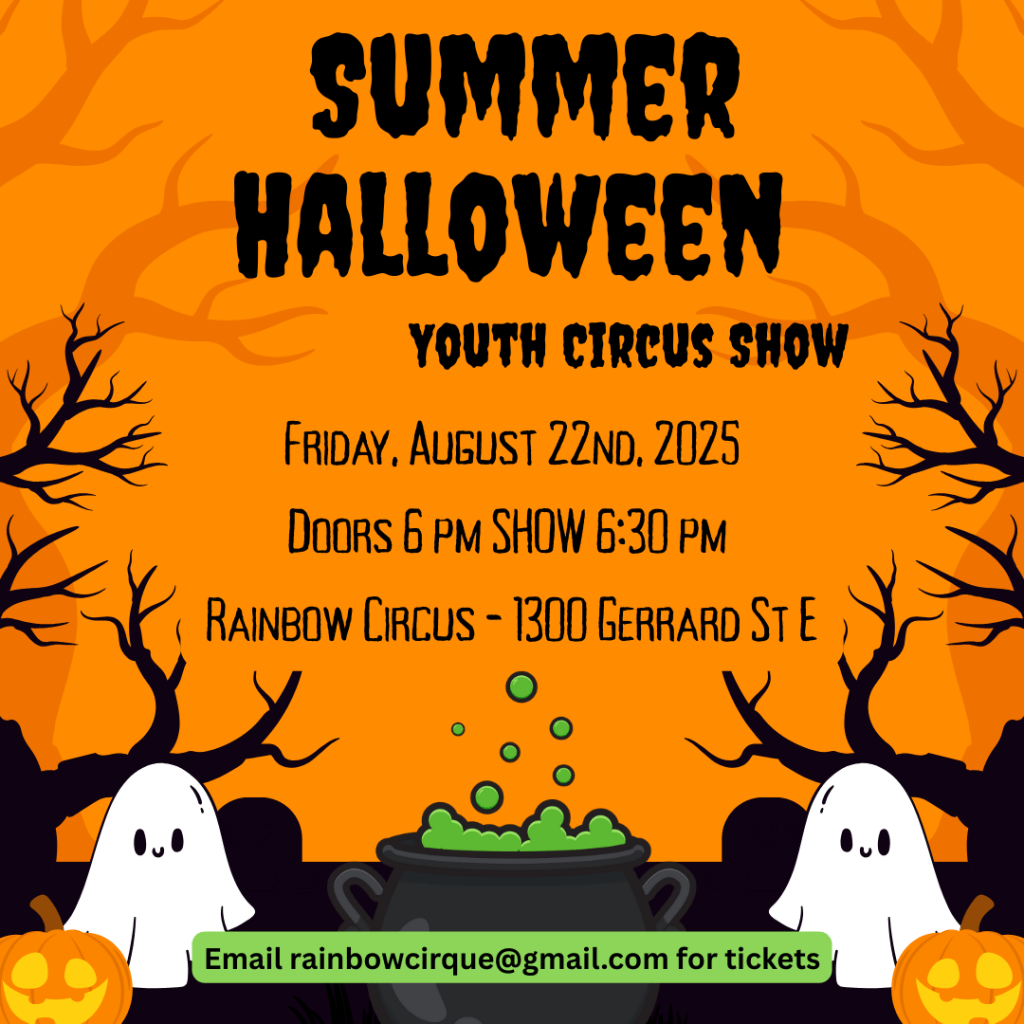
Our Rainbow Teen camp will spend the next week crafting a silly and scary Halloween-themed circus show. Family friendly!
Show at 6:30 pm, doors at 6 pm on Friday, August 22nd.
Tickets are: $20 for adults (19+) $15 for youth (ages 13-18) $10 for kids (5-13)
If cost is a barrier, please reach out to reserve one of our community tickets.
Please help us get the word out about this show. Profits from the show help offset the costs of offering a sliding scale camp without any grants, not to mention the teens work hard all week to create something awesome that deserves to be celebrated.
Invite ALL of your friends & chosen family. Email rainbowcirque@gmail.com for tickets or purchase in cash at the door.
(If you’re sharing about this on socials in Canada you can use this page to share as media channels are not able to be shared on Canadian social media because of Bill C-18)
When you reconnect with a lost part of yourself and find that it has changed and grown in your absence. “Finding Helix” is a quirky look at connection with self and others and all of the uncomfortable, wonderful, and scary parts of being in relationship.
DANCERS/COCREATORS: Luke Anderson and Jayeden Walker
CHOREOGRAPHY: Kathleen Rea
MUSIC: Cheryl Ockrant
TICKETS: Sliding scale $10 to $50
ARTIST’S BIOGRAPHIES
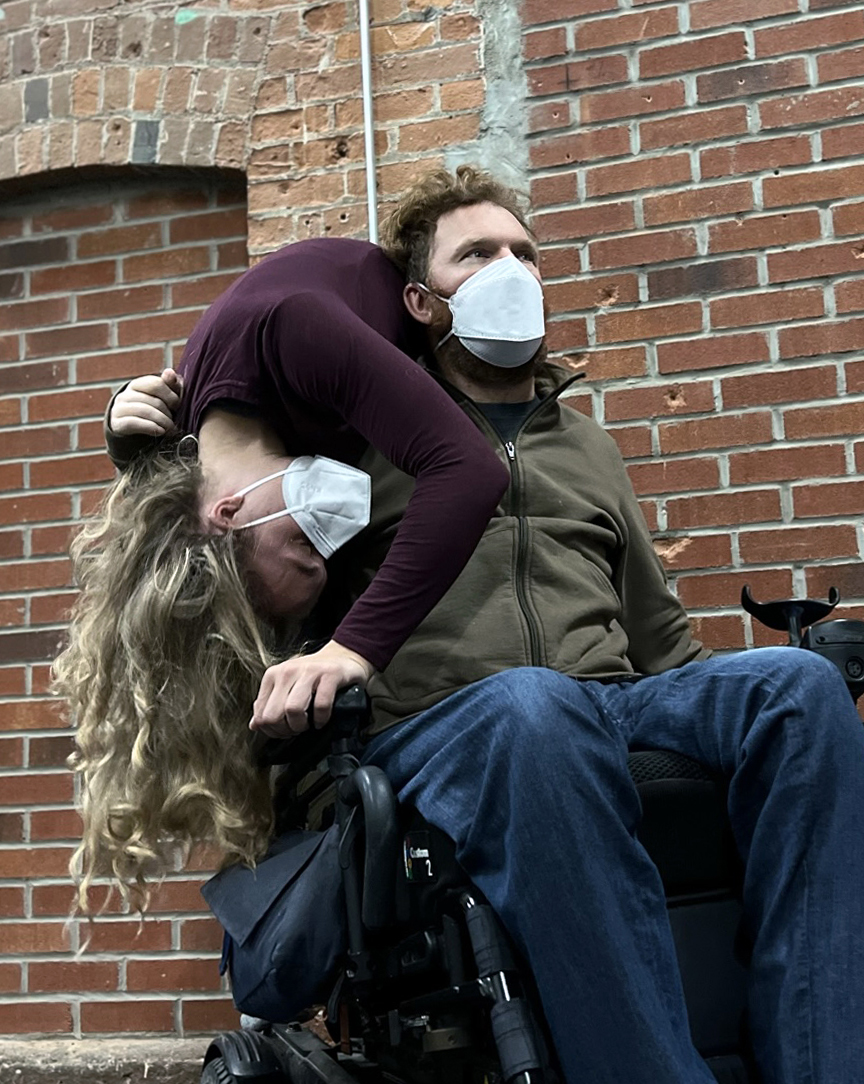
IMAGE DESCRIPTION: Luke carries Jayeden on his shoulder.
Luke Anderson (he/him/his) has a background in civil engineering which helped him foster a respect for the importance of quantitative science in our external world and it’s part in helping create an environmentally and socially healthy planet. In 2015 he left his structural engineering gig and took on the role of Executive Director of Toronto’s StopGap Foundation, which he co-founded, working with communities across the country to raise awareness about the importance of accessibility, inclusion, and barrier-free spaces. That same year he was introduced to the world of Contact Improvisation and soon developed a deep respect and interest in the somatic realms of our qualitative human experience. Luke identifies as someone living with a profound physical disability and uses a wheelchair to aid his mobility. Luke’s lived experience working with and gaining wisdom from his own physical and emotional pain, encounters with systemic inequity for people with disabilities, and personal suffering fuels his desire to contribute to the well being of various communities including the Toronto Contact Improvisation community. Finding joy, weirdness, mystery, and massive amounts of hilarity are some of Luke’s personal and professional daily intentions. Luke’s movement practice at home and at jams incorporates a playful mix of his passions for dance, nonviolent communication, focusing, harmonica, and didgeridoo virtuosic aspirations.
IMAGE DESCRIPTION: Headshot of Jayeden
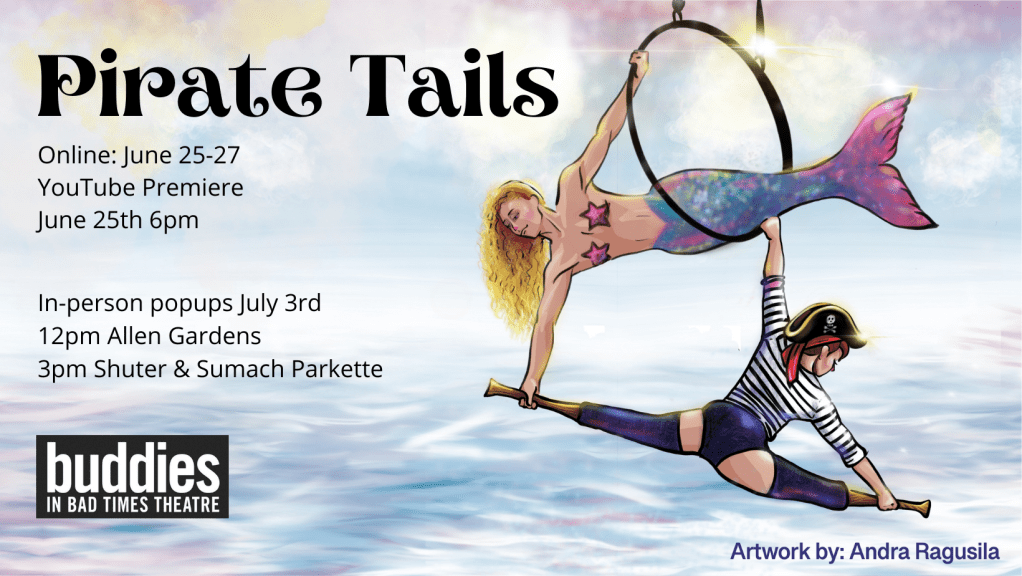
Jayeden Walker is a queer neurodivergent circus artist with a specialty in aerial arts. She has been performing circus for over a decade in both corporate and creative settings, finding contact dance in 2019. Healing from a series of traumatic brain injuries guided Jayeden to shift her focus toward creating inclusive, trauma-informed movement spaces and disability arts. Her most recent act, Pirate Tails, has toured a number of pride festivals and was recently shown at the Harbourfront CoMotion Festival for Deaf and Disability arts. Jayeden currently lives, plays, and creates as a white treaty inhabitant in Toronto where she runs recreational circus classes and social circus programming for Queer and Trans youth.
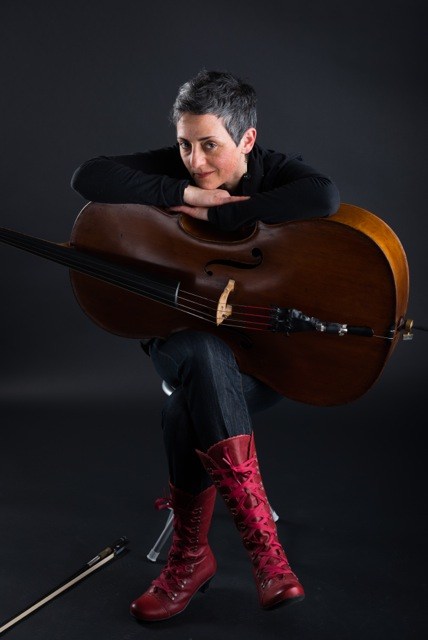
IMAGE DESCRIPTION: Cheryl is sitting wiht her cello laid across her knees and her arms crossed over her cello
Toronto cellist Cheryl O is a dedicated multi-media collaborator blending her acoustic and electronic improvisations with live theatre, dance, lm, circus arts, text, poetry,painting, and electronica. She is a regular performer at Contact
Dance as well as working on sound for lm, dance, and theatre. Cheryl is currently in her last semester of her Masters in Musicology at York University, focusing her research on free improvisation post-trauma through a lens of Polyvagal Theory. Her thesis is on creating new neural pathways to creatively move forward from trauma, backed by both science-based research and own traumatic experience in music education?Cheryl works from her off-gridTiny House studio in a secret location. She has two rescue cats, both black
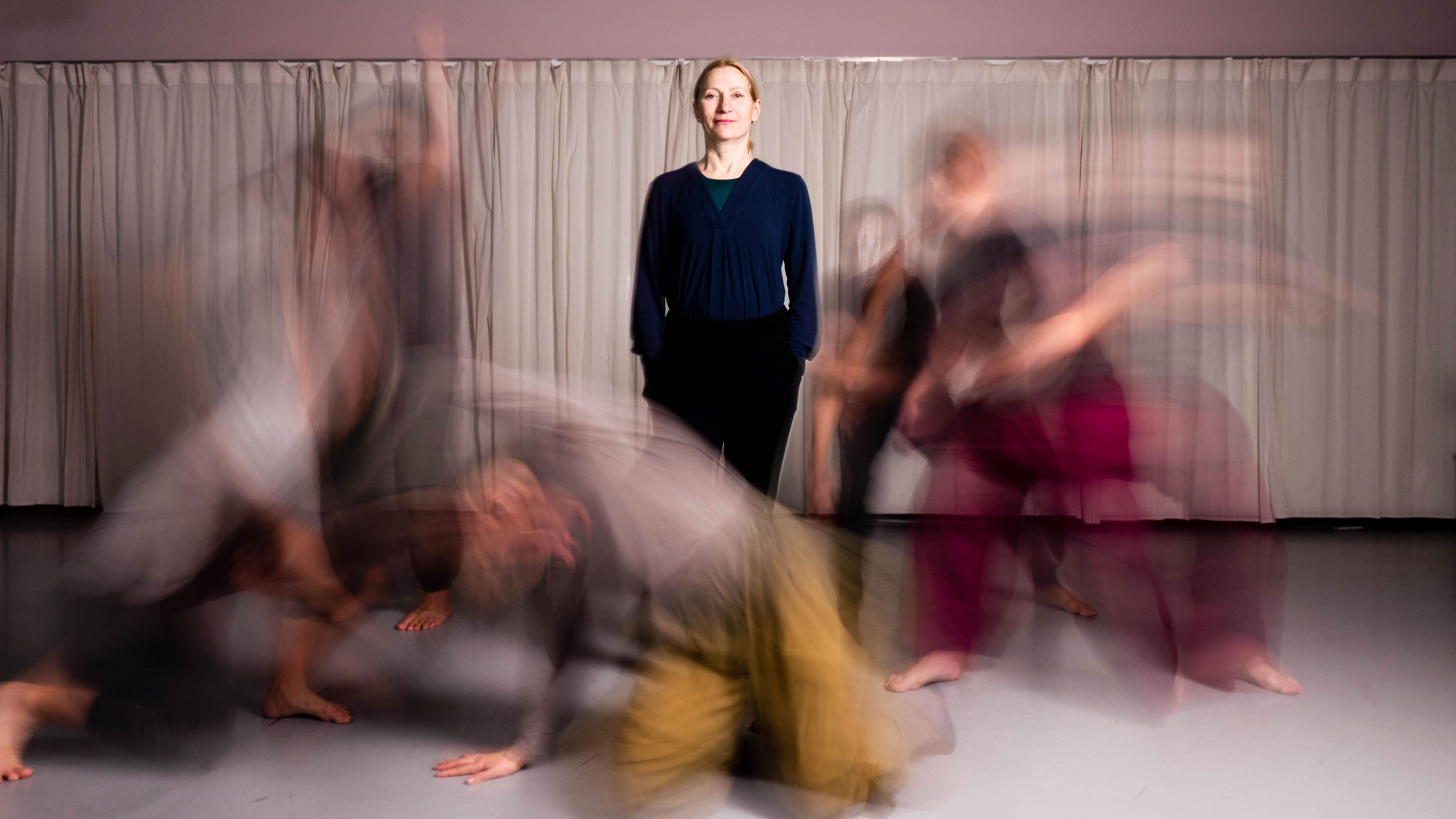
IMAGE DESCRIPTION: Kathleen stands in a studio with a grey floor a blur of dancers dancing around her.
Kathleen Rea danced with Canada’s Ballet Jorgen, National Ballet of Canada & Tiroler Landestheater (Austria). She fell in love with contact improvisation 22 years ago & has been involved in the community ever since. She has choreographed over 40 dance works and has been nominated for 5 DORA awards. Kathleen has a learning disability which means writing takes 6 times longer than average. It is one of life’s mysteries that despite this struggle she loves writing and is a published author (The Healing Dance). She has a Master’s in Expressive Arts with a minor in Psychology. She is a certified teacher of the Axis Syllabus and Buteyko Breathing. She is the director of REAson d’etre dance, a Toronto not-for-profit dance company that is contact improvisation based and produces a weekly jam, a Film Fest, and dance theatre productions. She has autism & works to educate the world about neurodiversity. She developed the well-read REAson d’etre dance Dance Jam Guidelines (download here) which over the past 20 years have influenced consent culture in the contact improvisation worldwide community. She also is the founder of the Contact Improv Consent Culture Blog. Kathleen Rea’s Demo Reel
COVID PROTOCOL
All current COVID Gov’t protocols will be followed.
Masking is required by the audience.
Performers will be unasked and will do a Rapid COVID test prior to performing
All levels of vaccination or non-vaccination are welcome.
There will be HEPA filters on the location
ACCESS INFORMATION
Location:
The address is 1300 Gerrard St E, Toronto, ON M4L 1Y7
The nearest intersection is Greenwood and Gerrard.
The building is accessible by bus from Greenwood station, as well as the 506 College/Gerrard streetcar.
There is street parking available as well as bike lockups in the surrounding neighborhood.
It can be hard to stop on Gerrard street directly, so for easier dropoffs, we suggest turning onto Redwood Ave (a one-way street going North) and getting dropped off next to the building.
The building is accessible by bus from Greenwood station, as well as the 506 College/Gerrard streetcar. Greenwood station is only barrier-free at the street level and is not accessible by subway. The nearest accessible subway is Coxwell Station.
The Building:
The entrance to the building is off the sidewalk, with a set of double doors, that open manually (no push button).
There is no lip on the door. There is a moderately steep ramp from the entrance into the main space. It goes up from the street level, and then back down into the main space, at a grade that is not to code and has no railings. Wheelchair users may need physical assistance to go up this ramp. The main space is level. The floors are a mix of the concrete and wooden dance floors.
The space is lit with overhead track lighting, with minimal windows. It does have air conditioning and an updated H-Vac system for air filtration.
Washrooms:
There is a single-user washroom on the mainspace floor.
The washroom has enough space for a manual wheelchair but would be too small for a powerchair user to turn around comfortably. There is no automatic door opener there is a grab bar, but the placement isn’t great. Handles to the bathroom door were knobs not levers. The faucet may pose access barriers to folks with limited mobility as it needs sustained pressure to function.
Audio and visual considerations.
There is no speech in the dance work itself, opening remarks and land acknowledgements will be written as well as spoken in English (no ASL interpretation). There will be no audio description of the piece.
Relaxed Performance:
The Sunday 3:30 pm matinee is a relaxed performance. With an accommodation, those that can not wear masks can unmask. People can come and go as they need. A warning of possible triggers and what to expect will be given prior to the performance. “Stim” sounds from the audience are expected and welcome.
Seating:
Seating is first come first serve with a variety of seating options at different levels. Seating options are floor chairs, folding chairs, higher “bar stool” style chairs, wheelchair/mobility aid reserved spots, and standing room.
FUNDING
This event is funded by the Toronto Arts Council, Ontario Arts Council, Canadian Heritage Foundation, and the Ontario Trillium Foundation.
This family-friendly circus performance reimagines the childhood tropes of the pirate and the siren through lenses of Queerness and Disability. Join this high-flying hoop duo for some under the sea shenanigans.
On Friday, June 25th 2021 join us at 6pm online for a YouTube premiere of the act, presented with audio description and open captions—with transcripts available in Word and PDF versions. The same act, without visual description, will stream directly afterward in the presentation. The digital presentation will be available to stream all week long on YouTube!
On Saturday, July 3rd 2021 two outdoor live presentations of the act will take place.
12PM Allen Gardens + 3PM Regent Park (Sumach-Shuter Parkette)
In the event of rain, park popups will be moved to July 4th. Check back here for the update!
Access info:
Digital Act:
The digital act is created with audio description and open captions—with transcripts available in Word and PDF versions. The same act, without visual description, will stream directly afterward in the same presentation. The digital presentation will be available to stream all weekend long!
Park Popups:
As much as possible, we will try to position the show so that it can be viewed from shaded spaces and both grassy and paved terrain.
We ask that the audience respect public health recommendations and practice physical distancing and masking as appropriate. We will have volunteers present to assist with this if necessary.
Both performances are intended to be relaxed. Please feel free to cheer, stim, move around, tend to your needs, and come and go as you please.
Allen Gardens:
There is a paved pathway that enters in and out of the park.
Sidewalks and pathways surrounding and within the park are wide, all with sloped curbs.
Public washroom: A portable in the parking lot beside the playground. Not gendered, not wheelchair accessible.
Regent Park: Sumach-Shuter Parkette
Sidewalks and pathways surrounding and within the park are wide, all with sloped curbs.
Pam McConnell Aquatic Centre is down the street and has indoor bathrooms. There are gendered stall bathrooms as well as a single-user bathroom with grab bars and an automatic door. There are also lots of businesses nearby with bathrooms.
It Takes a Village:
We extend our deepest gratitude to the wonderful team of humans who is making this possible.
Our gathering will be situated upon the traditional territories of the Wendat, Haudenosaunee, Anishinabeg, and the Mississaugas of the Credit River. As well as the contemporary home to many Indigenous nations.
This territory is covered by the Dish With One Spoon Wampum Belt Covenant—an agreement between the Anishinabeg and Haudenosaunee allied nations to peaceably share and care for the lands around the Great Lakes. By living, working, and gathering on these lands, we are responsible for taking from and caring for them responsibly. This includes ongoing reconciliation work with the traditional and contemporary caretakers of this land.
If you’re the parent or loved one of a circus human, chances are you’ve wondered about what kind of “circus gifts” they might appreciate. While buying a circus apparatus may seem like the obvious choice, it comes with a whole host of responsibilities (which I talk about here).There’s also a lot of specifics; do you choose high stretch or low stretch silks, single or double tab lyra, hollow or solid steel, or maybe aluminum? Purchasing an apparatus can be a big deal, not to mention it’s expensive! But that doesn’t mean you’re out of luck for circus gifts. As a circus professional and experienced coach, trust me when I say that there are plenty of great gifts for the circus human in your life. Here are my top 10.
Circus Apparel
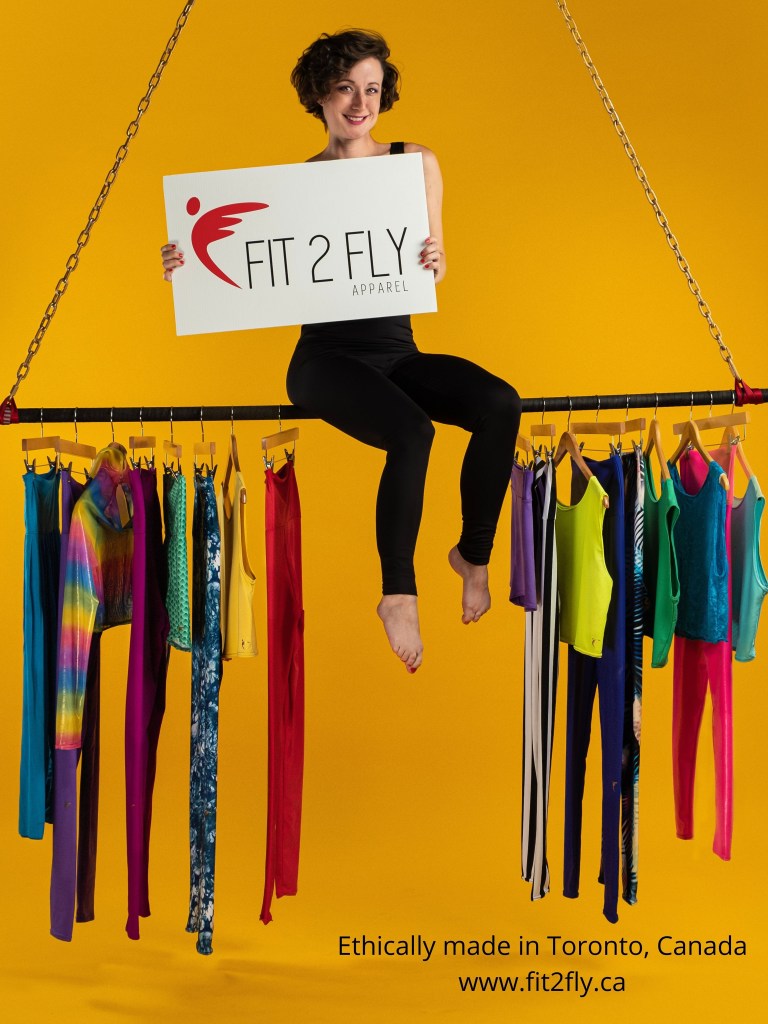
Toronto based apparel company Fit2Fly has you covered when it comes to training wear; and I mean that literally! As circus artists themselves Jen and her crew know exactly what areas of our bodies need to be covered for all of the glorious wrappy, droppy, spinny things we get up to as circus folk. Their pants are EXTRA high waisted to protect your sides from those nasty silk burns, and the cropped tops accentuate those awesome circus muscles! Plus, you’re supporting a local, woman owned business that employs artists and donates their fabric scraps to local organizations for craft supplies!
2. Circus Stories
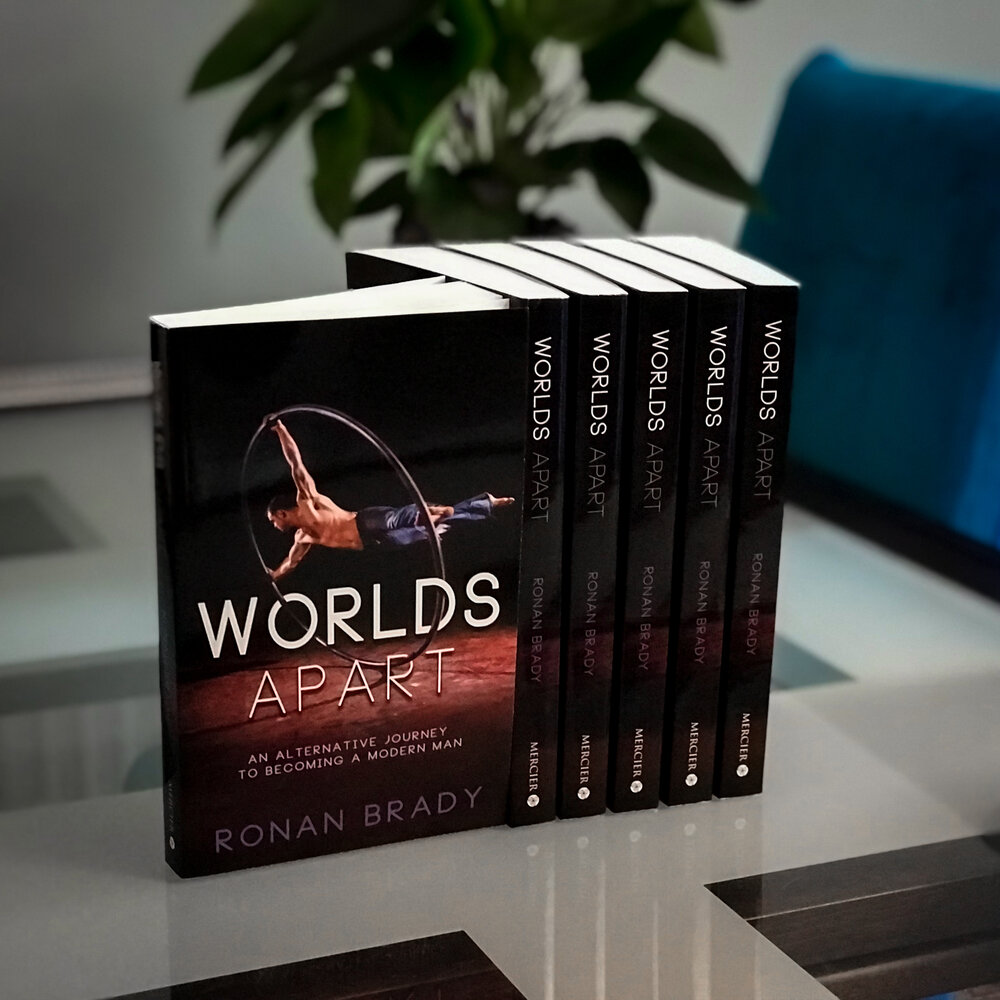
Ronan’s book Worlds Apart
One of the wonderful things about circus is the many different ways that folks find their way into it. While our communities are an easy home to plenty of retired gymnasts and converted theatre folk, this particular story stands out from the “usual” pathway to circus (if there’s such a thing as that). Before circus, Ronan was an Inter-county footballer and a secondary school teacher. In this witty, down to earth, and fantastically real narration, Ronan weaves together stories from his childhood, footballer days, and introduction to circus. His narrative is peppered with reflections of his evolving relationship to masculinity, from fighting just to do something, to performing onstage alongside drag queens. It’s a wonderful story that illustrates one of my favourite things about circus; that no matter where you come from, or what road brought you here, everyone belongs under the big top.
Moon Shatter glitter. Click the image to head to their site
If you have a circus artist in your life, chances are they loveee glitter! The bummer about glitter though? Our aquatic ocean and lake friends aren’t too excited about all of the tiny bits of microplastic floating around in their home! Biodegradable glitter is better for everyone. This particular company, Moon Shatter, manufactures and packs their stuff in Toronto, so you’re doubling up on your eco points by supporting local and finding more sustainable alternatives! Click the image to head to their site.
4. Writing the Circus Zines
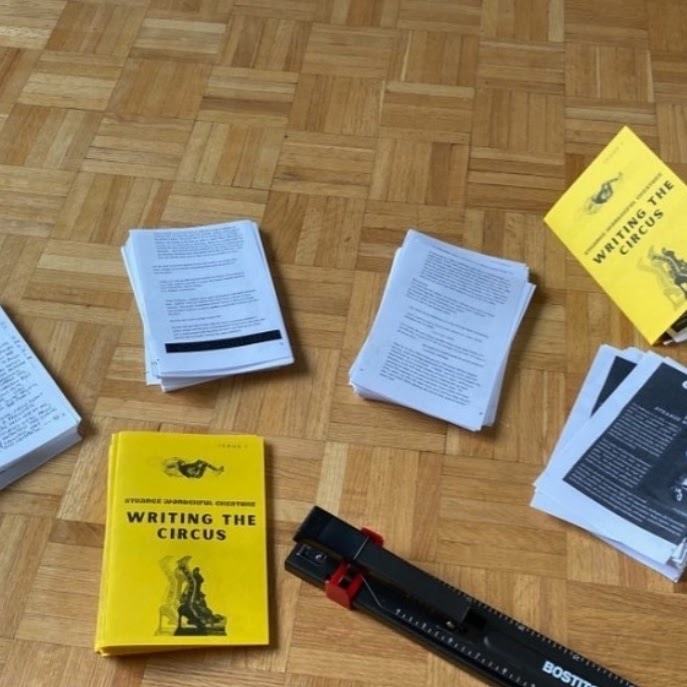
Photo from Ess of their handmaking zine process. Click the image to head to their site
I wouldn’t be a recovering English major if I didn’t recommend at least two books on this list! In their zine series Writing the Circus performance artist Ess Hödlmoser blends critical thinking and lived experience to explore the histories and intersections of circus with cultural ideas. I have both editions of this series so far, and I love geeking out about the histories of circus arts and taking the time to think critically about the ways that our circus cultures are formed.
5. Ground Props
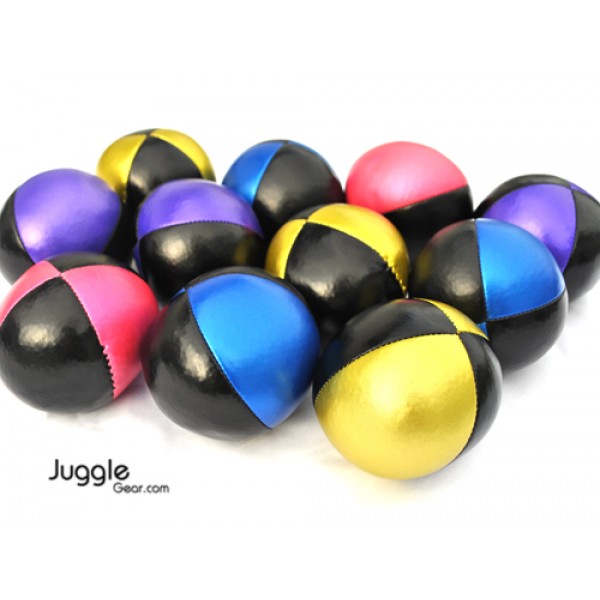
Click the image to head to their site
While I love aerial arts, there’s so much fun to be had on the ground as well. Juggle Gear is a Canadian based circus company that’s well stocked with everything a circus human could dream of. They have plenty of object manipulation props like juggling balls, diabolo, staffs, and clubs. It’s always good to have a few circus skills up your sleeves, and chances are the coordination and balance of juggling work will make you a better movement artist as well.
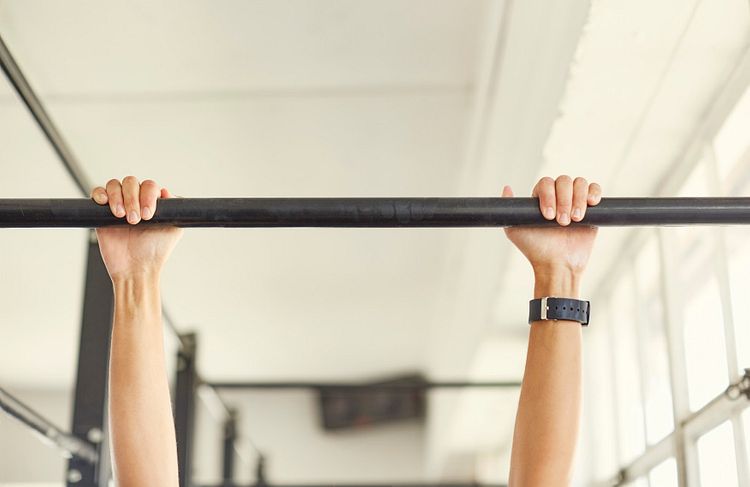
6. A Pullup Bar
If you love someone who lives to hang, a pullup bar can be a great way to get some air time in without leaving the house. Not only will a pullup bar be a great addition to their living space, it also opens up a huge array of conditioning exercises to keep those aerial muscles in strong working order. Pro tip? If you’re able to make it work within the space, a doorframe mounted pullup bar is the MUCH stronger and safer option. Especially if you’re giving it to a circus human who will likely be going upside down on it.
7. Legwarmers
Not only are they great over your training leggings, legwarmers have a lot of uses in your training practice as well. I’m a big fan of wearing them to keep my muscles warm whenever I’m stretching splits, and I’ll occasionally take one off and fold it up as a kneepad if I’m stretching on harder dance studio floors. For hoop artists, a thick pair of legwarmers can keep you from looking like a banana after your training session. My favourite legwarmers consistently come from Sock Dreams an amazing company from Portland Oregon with great variety (check out their pride socks), community support programs, and a quality plus size collection.
8. Private Lessons
If you’re trying to give experiences instead of “things”, consider a private lesson for some 1:1 time with a favourite coach. Private lessons provide the opportunity to hone in on specific skills or sequences and to have a lot of focused attention from the instructor. They can be a great time to work on that skill you’ve been coveting, or to revisit something you’re struggling with for specific pointers. Many coaches offer private lessons outside of their regular class times, so feel free to get in touch with them about their rates and policies.
9. Massage Tools
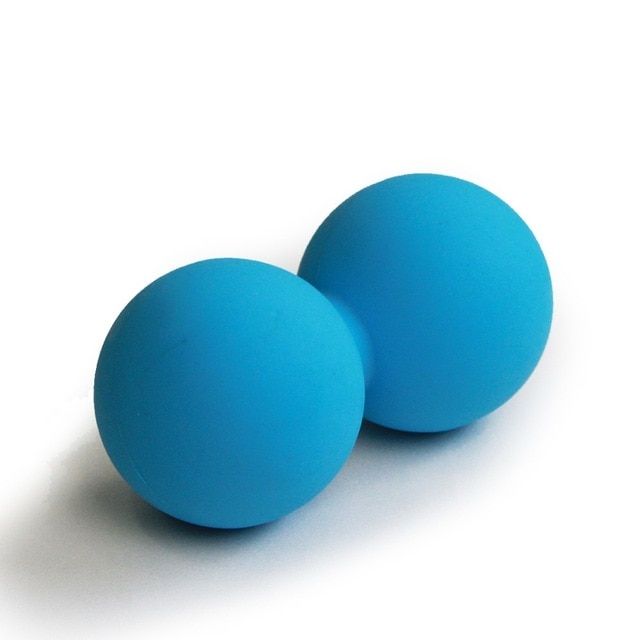
In circus we ask a lot of our bodies, so it’s important to give back to them as well. I rarely go anywhere without my massage ball in tow, and I love a good foam roller session the day after training. Tiger Balm, a heating pad, or electric blanket are amazing sore muscle tools as well. You can easily find many of these things at sports or department stores. Bonus points if you come across a rubber “peanut” (pictured above) as there are sooo many prehab exercises that use this tool.
10. Online Classes
With covid forcing many artists and coaches to adapt, there are plenty of fantastic minds and bodies that are now offering online classes. You can now learn with people who were too busy touring, or lived very far away from you, without even leaving your living room. A few of my friends are:
Leading up to the winter holidays, I usually get a few emails from parents asking where they can buy their kids or teens one of those “fabric thingies” that they hang off in circus class. These are my favourite parents, the ones who ask a coaches’ opinion before purchasing professional aerial equipment that’s going to encourage their kids to hang off trees and teach their friends.
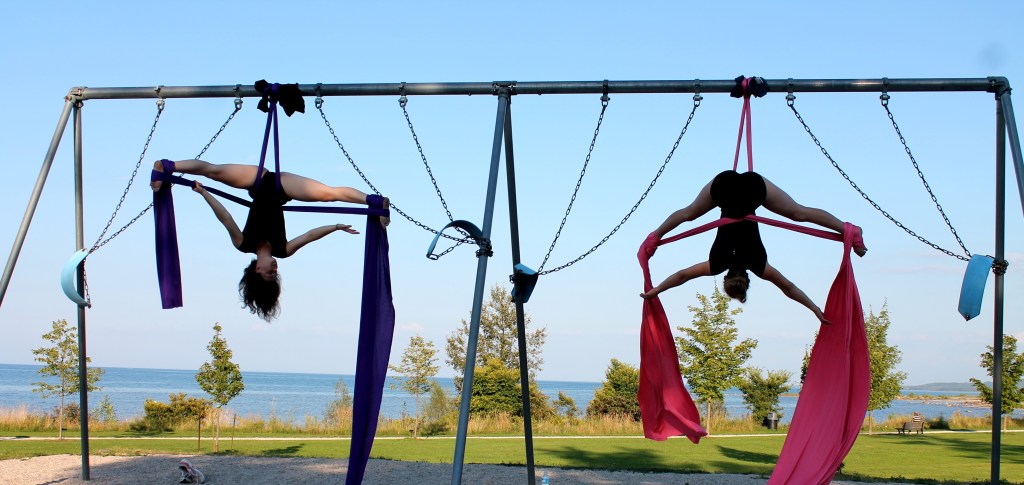
Because make no mistake, having access to a silk of their own will encourage your child to go hang it off of random structures.
How do I know? From lived experience.
In 2012 at the age of 15 I bought my first aerial silk. She’s a bright coral beauty that I’ve performed on many times and still use today. At the time I was training at The Circus Company then known as Aerial Silks Collingwood. We were a small gym with about three very thin silks to learn on. Kristin, who ran the circus classes was ordering more fabric for the gym, and asked us if we wanted to add our very own silks to the order. I was ecstatic, and couldn’t think of a better way to use the money I had saved from my job at the vet clinic.
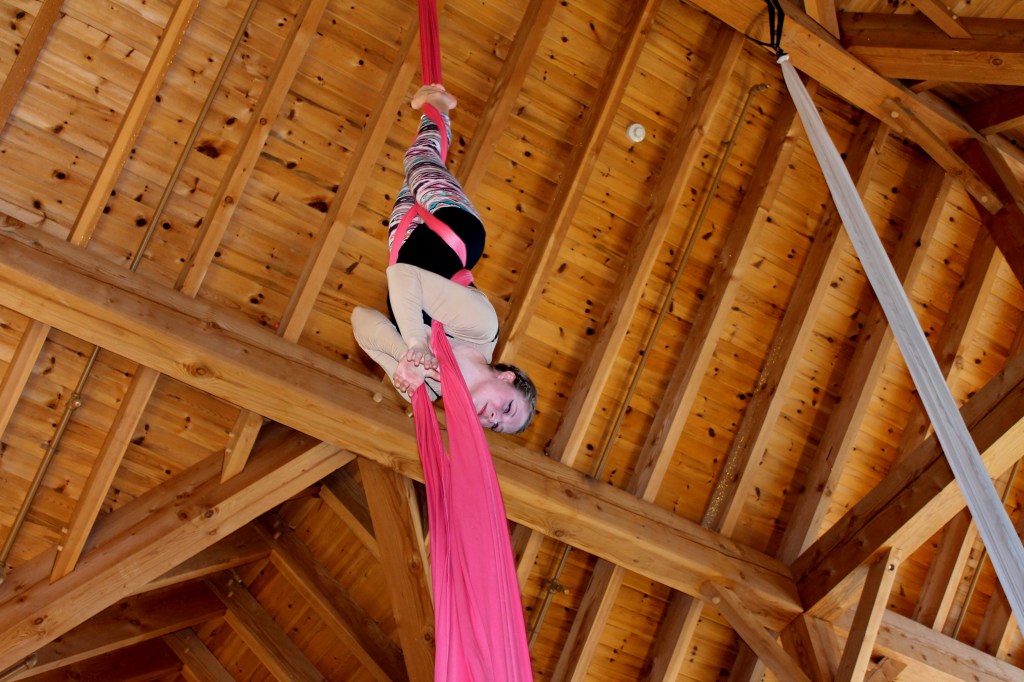
The first time we hung our new silks, I climbed all the way up to the gym ceiling and stayed there for a very very long time. I swore I would never come down, but eventually my foot went numb and I was forced to concede to gravity. It was amazing to be able to take classes and practice routines on my very own aerial silk.
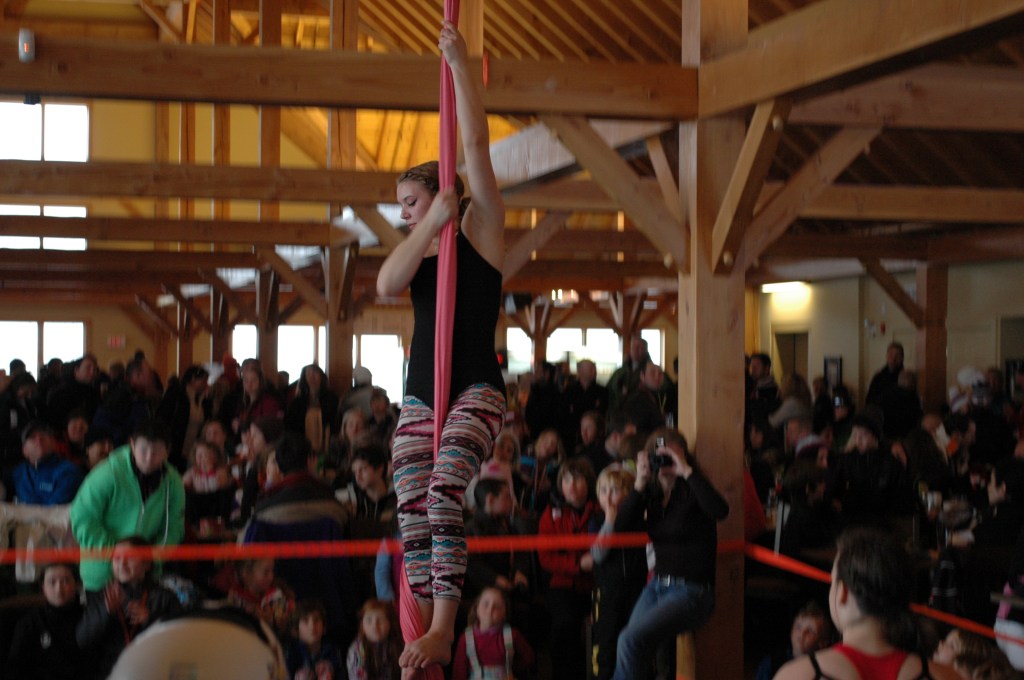
I was utterly filled with joy to be able to do what I loved, on a silk of my very own, in front of hundreds of people.
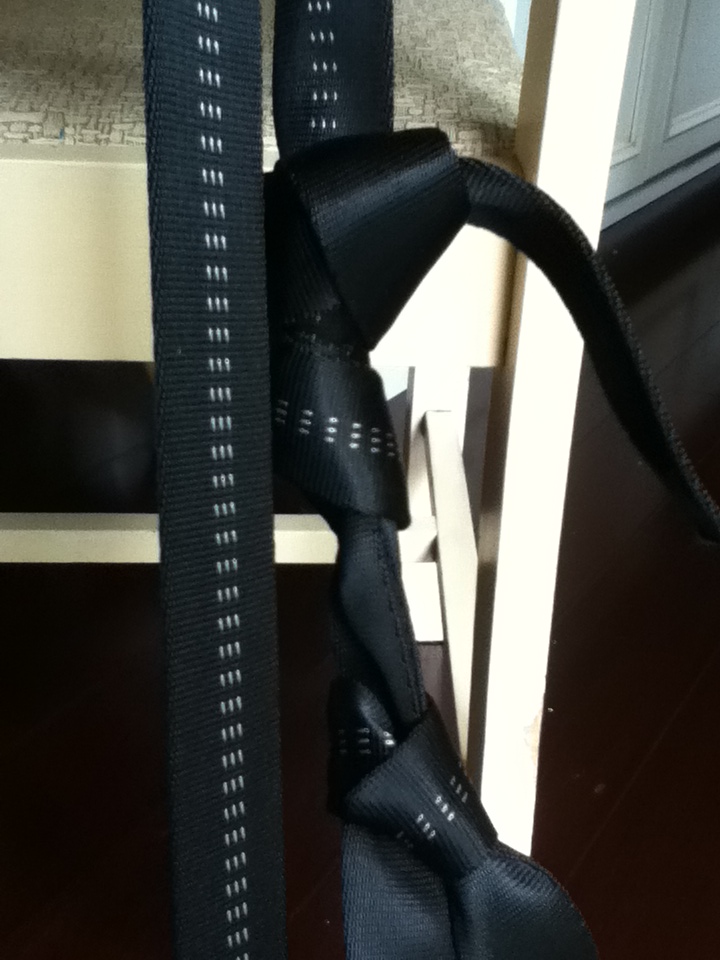
Having my own silk also encouraged me to learn about rigging—that’s how we hang things up in circus. It got me thinking about forces and loads and structural capacities (AKA looking at every ceiling everywhere and asking myself “could I hang from that”). I started learning about the kind of gear that you need to be using if your hanging your weight off of something; hint: it should have a kN rating or WLL before you even consider using it as circus gear. I took courses with rescue professionals and learned how to tie knots in spansets, practicing them at the gym around balance beams and at home around the kitchen table legs. I was mentored by our rigger and shadowed the other professionals I was working with when we set up for performances. I talked to climbers and read books by circus rigging professionals. I joined a Facebook group called “Safety in Aerial Arts” which featured a lot of critiques from industry professionals about sketchy setups, bad choices, and what NOT to do (though there was a lot of useful learning there too). I’ve taken some seminars with Brett Copes from Fight or Flight Entertainment who’s rigged for companies like Marvel Universe Live and Cirque du Soleil. All of this learning before I had even turned 18! Of course, I’ve continued with my education since then, always asking a million questions whenever people will answer them. But all of that is to say that in my first few years of owning silks I absorbed a lot of information on safety and best practices, and had a pretty great support team of people to practice under.
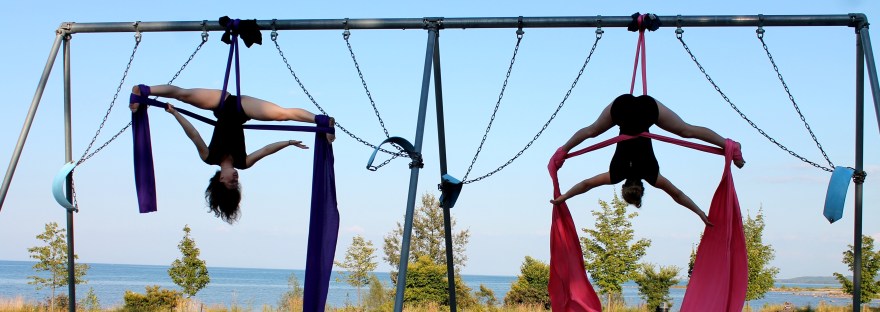
And, I still took my silk out on “field trips” to hang off of structures outside of the gym.
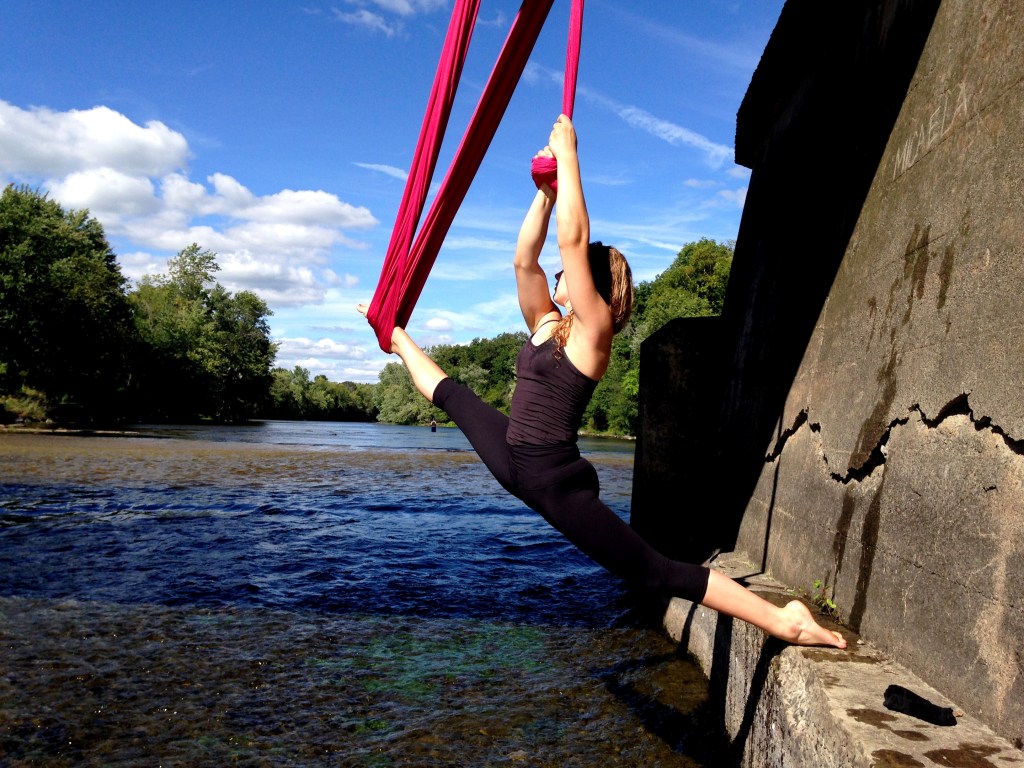
Granted, many of those were fairly reasonable well thought out adventures with a safety analysis, rigging plan, and at least one other circus person on site—sometimes even a consult with a rigger. A lot of those decisions I still stand by today (bridges are incredibly structurally sound for circusing purposes ).
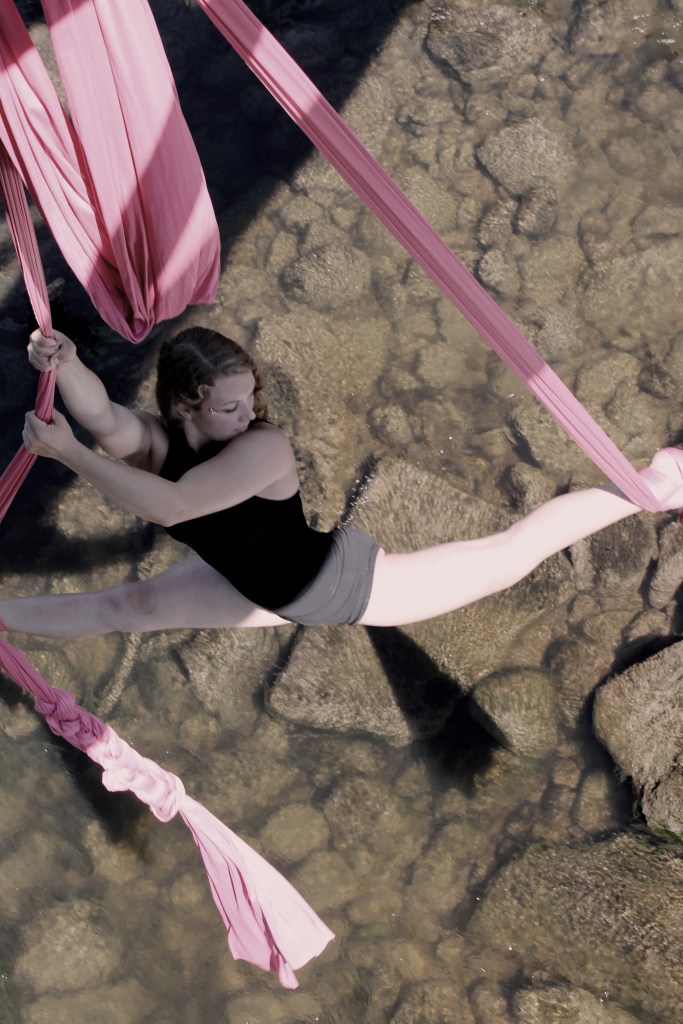
And I’ve collected some fantastic stories! Like the time that I went with one of my circus sisters and hung off a bridge in the town that I lived in. I had dreamed about it for months, drawn up a rigging plan, and even cross checked things with a rigging professional. Super safe teenage shenanigans—even if they did involve scaling a bridge and suspending ourselves above moving water.
What we didn’t account for however, was the dam above the bridge opening up and soaking the bottom of our silks while we were on them! Or the middle aged woman who was concerned about our teenage shenanigans and loudly proclaimed that she was thinking of calling the cops on us. Luckily we don’t know if that ever went through because we united all of our knots and hightailed it out of there on our biked with the wet silks dripping from our backpacks.
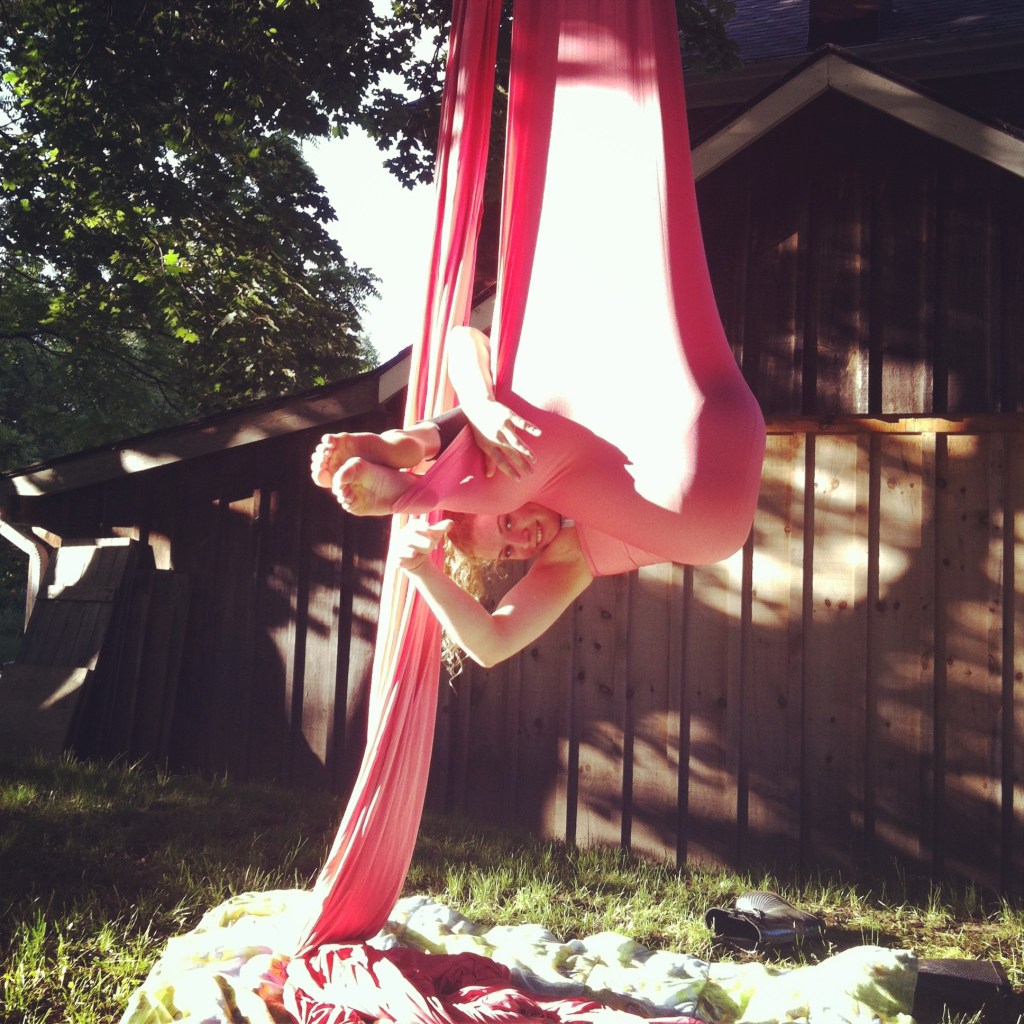
While I stand by that adventure, and love the story of it. I’ve also done some more questionable things with my silks. Like for example hanging of trees. And not just hanging off trees, trying doubles work that involved my friend hanging off my arms while I was suspended upside down on the silks, with only patio furniture cushions as mats. (And yes I absolutely dropped her while she was upside down. She’s fine now, but that was definitely an avoidable mishap).
I’ve also, in particularly questionable circumstances, done a double salto drop on a tree branch that had a rope slung over it. A setup I knew nothing about at the time and simply trusted the person who had set it up and their knowledge of rigging. Now if you’re not already aware, rigging on trees is really risky because there’s no way of knowing the health of the branch that you’re hanging off of (unless you cut it down). But doing drops on trees is generating an unnecessary amount of force and putting yourself and the tree in an absurd amount of risk. As a well educated professional, I definitely knew that it was a risky move when I did it. But to be honest, I probably went ahead with it because I was new to Toronto, I wanted to make friends, and I was seventeen and believed myself invincible.
In one particular circumstance of doing silks in the park I learned (after being on the fabric) that the point had been improperly tied off and I hadn’t been securely anchored on a closed system while I was in the air. Thank my guardian angels that nothing had happened, but it scares me to think of how that could have gone otherwise. And for the record here, I had all the tools to have known better and understand that this was a risky and unnecessarily dangerous move.
All of this to say, I suppose, that if you’re thinking of gifting your kid their very own aerial fabric, there’s a lot of stuff that comes along with it. Chances are that most youth won’t have access to the learning opportunities that I did when I was fifteen and sixteen, or the countless hours of mentorship to get hands on rigging experience. But what I’m sure they will have is the desire to hang off of anything and everything that they could possibly climb or throw a rope over.
Having your own circus equipment can be an absolute joy, and it lets you develop as an artist with consideration to the specifics of an apparatus that is yours and no one else’s. It’s truly special. And, if you’re only going to be hanging it up in a circus gym or studio it can be relatively safe as well.
But, if you’re considering aerial silks as a gift (or any other aerial equipment). Make sure that you’re prepared to have an open and ongoing dialogue about safety and the appropriate places to “hang out” with this new friend (which absolutely does not include trees). And if you’re considering an at home circus set up? Well, that’s a whole other bucket of peanuts to talk about!











 Rainbow Circus